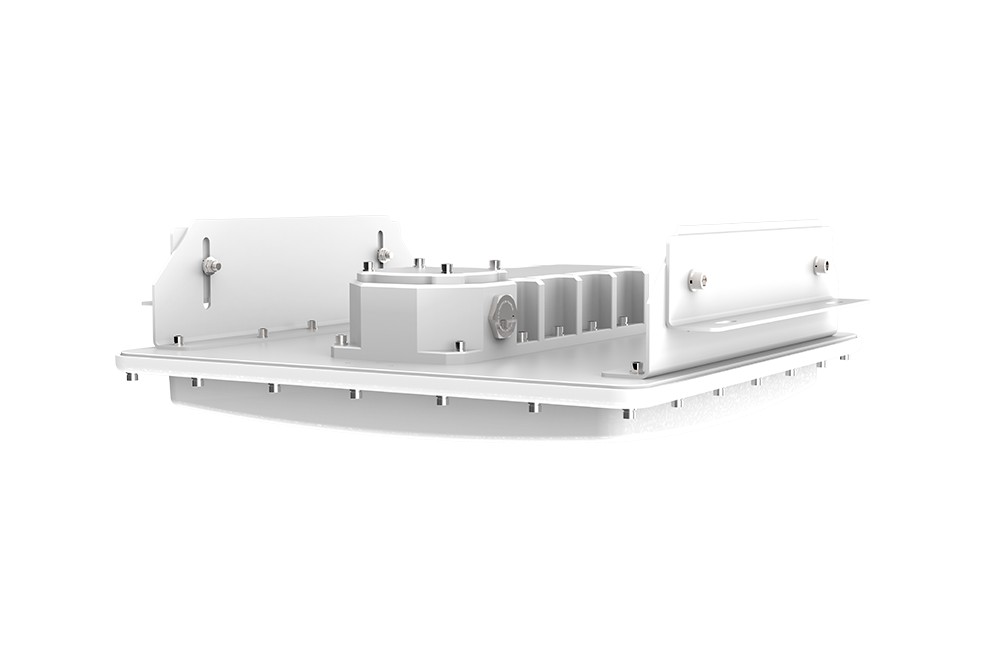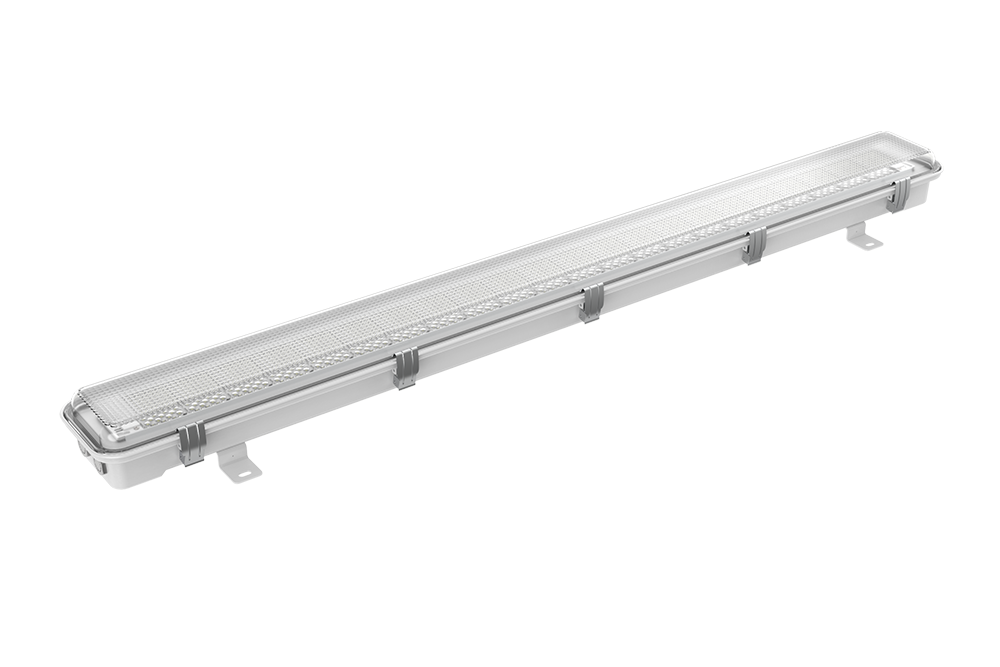
Commencing the article reviews various approaches of hazard-resistant units through production environments.
Acting effectively within critical sites like mining installations requires designed apparatus meant to minimize possible emergencies. Ignition-safe lights are essential elements in equivalent locations, developed to withstand ignitable bursts, volatile effluents, and combustible regions. The aforementioned appliances are not naturally sound; on the contrary they are produced to enclose any interior arc or emission and halt it from causing a intensified explosion in the environmental zone. This manual supplies primary details about explosion-proof fixtures, their operations, and security concerns for executing them correctly.
Recognizing Explosion Proof Lighting Standards
Operating within prescribed hazard-resistant lighting criteria can be elaborate, especially for domains working with hazardous spaces. These rules – often referring to worldwide bodies namely the National Electrical Regulation (NEC), ATEX (Europe), and IEC – dictate stringent design and deployment steps to avoid the vulnerability of ignition from lighting devices. Understanding aforementioned standards is paramount for ensuring operator safety and meeting with official obligations.
Light Emitting Diode Blast Resistant Lighting Systems: Productivity & Defense
Crystal-Based explosion proof luminaires provide a considerable enhancement over classic filament units in spaces where volatile materials are found. These robust units not only deliver noteworthy reduced energy consumption, leading to lower operating costs, but fundamentally facilitate a elevated quality of prophylaxis by minimizing the chance of fire outbreaks stemming from current breakdowns}.
Explosion Rated Risky Location Treacherous Proof Fire Burn Ignition Resistant} Systems : A In-depth Review
Explosion Certified Perilous Setting Unsafe Proof} Lights are customarily fabricated lighting systems built to act safely within probabilistically flammable atmospheres. These hardy fixtures avoid sparks, thermal flux and current discharges from provoking a major explosion. They typically incorporate cutting-edge designs, utilizing exemplifying airtight housings and inherently safe voltage units to confirm safety protocols in industries like hydrocarbon & petrochemical processing, synthesis plants, extraction operations, and healthcare production.
Choosing the Best Hazardous Area Systems for Perilous Regions
Selecting the most appropriate hazard-resistant sources for a particular regulated area demands in-depth consideration. Parameters such as the class (e.g., Group I, II, or III and sectors 0) should be rigorously evaluated to confirm agreement with relevant protection directives. Beyond the environment's essential dangers, take into account atmospheric situations, consisting of heat and wetness, to choose a sturdy and secure remedy. Typically coordinate with a qualified professional to support your determination.
Regions Where Are Explosion Proof Lights?
Explosion-proof also known as intrinsically safe|hazardous location|Class-rated} lighting fixtures are undeniably needed in particular areas where flammable vapors or powders could possibly create a perilous atmosphere. This customarily includes fabrication conversion plants, blemish treatments application areas, foodstuff handling facilities, and wastewater treatment locations. Regulations, such as those from NFPA and NFPA, require their deployment in these sites to reduce the risk of flames and protect security stability.
Gains of Luminescent in Fire Safe Luminaires
Adopting Luminescent technology for ignition-resistant devices offers a noteworthy array of advantages. First, light emitting diodes boast a much longer lifespan compared to traditional arc units, reducing support outlays and breaks. They are also naturally safer, producing minimal heat which abates the threat of burning in explosive atmospheres. Moreover, semiconductor devices are markedly energy saving, leading to minimized power expenditures and a shrunk green impact. Finally, the tough fabrication of Luminescent fixtures absorbs the rigorous environments typical of flammability-rated areas.
- Enhanced Duration
- Attenuated Care Expenses
- Heightened Risk Management
- Lower Current Usage
- Fortified Longevity
Maintaining and Reviewing Explosion Proof Lighting Systems
Routine checking and comprehensive survey of ignition-resistant lighting frameworks are required essential for upholding safety and minimizing potential hazards. This entails a periodic review of all modules, such as luminaires, channels, current conduits, and linked connection enclosures. Notably, examine for rust, fabric deterioration, and secure electrical grounding. Also, confirm that whole notices are readable and that the lighting system observes required protocols.
- Complete surface inspections.
- Inspect conductive junctions.
- Validate fire-proof compliance.
Advancing of Explosion Proof Lighting Technology
Developing landscape of explosion-proof fixtures technology foretells a distinct shift from traditional designs. Future mechanisms will commonly incorporate connected capabilities, enabling offsite monitoring, diagnostics, and adaptive control. We envision a widening adoption of crystal-based technology, not only for its primary energy efficiency, but also its ability to facilitate embedded sensors for identifying unsafe conditions. Also, materials analysis is promoting innovations in strong container materials, allowing for minimized and advanced designs, while upholding the compulsory levels of defense.
- Upgraded battery life for movable applications.
- Consolidation with forecasting maintenance bases.
- Construction of carefree lens techniques.