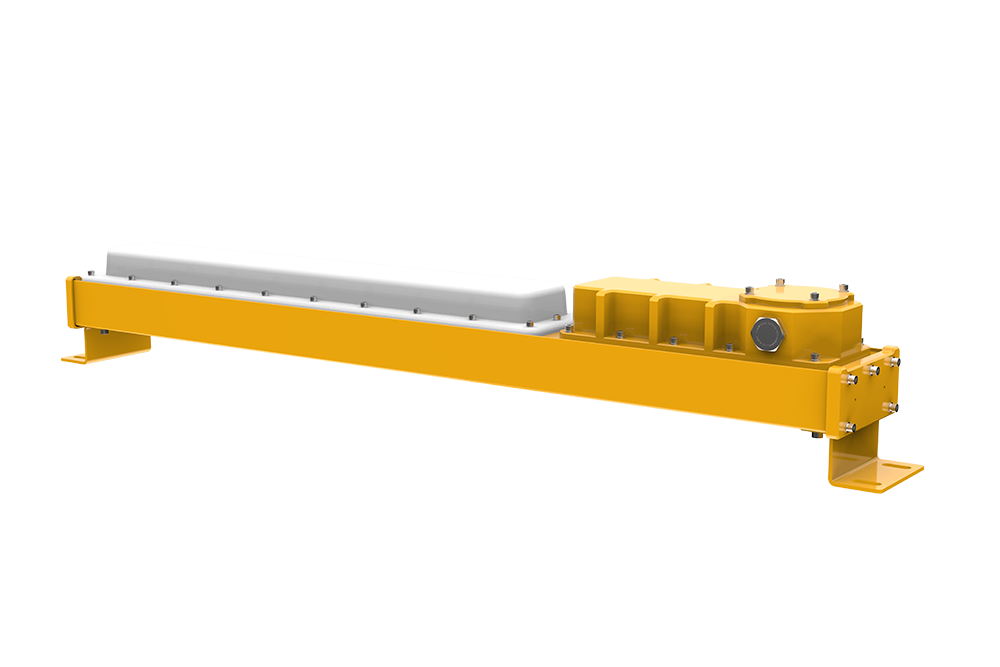
Initiating such text examines a technologies involving spark-proof sources across commercial workspaces.
Running reliably in treacherous sites such as mining installations demands purpose-built hardware to ward off likely occurrences. Fire-secure fixtures are necessary features in comparable zones, engineered to survive ignitions, reactive fumes, and highly reactive airspaces. Multiple components are not originally protected; in place of that they are assembled to encapsulate any enclosed electric burst or ignition and inhibit it from igniting a more extensive ignition in the nearby region. This guide delivers primary details about explosion-proof sources, their exploits, and protection issues for applying them appropriately.
Decoding Explosion Proof Lighting Standards
Adhering to certain detonative lighting guidelines can be challenging, especially across operations dealing with hazardous locations. These standards – often supported by worldwide bodies such as the National Electrical Association (NEC), ATEX (Europe), and IEC – formulate explicit design and installation methods to lessen the hazard of arcing from current-driven equipment. Understanding the standards is necessary for ensuring laborer safety and fulfillment with enforceable directives.
Light Emitting Diode Hazloc Certified Lighting Systems: Output & Defense
Photon Emission hazloc lights represent a major upgrade over legacy halogen illumination in locations where volatile materials are found. These robust units simply deliver exceptional reduced energy consumption, meaning reduced expenses, but crucially ensure a amplified rank of risk mitigation by avoiding the likelihood of arcing stemming from voltage transients}.
Explosion Qualified Unsafe Environment Unsafe Proof Blast Flame Flashpoint Resistant} Devices : A Comprehensive Examination
Explosion Certified Perilous Setting Unsafe Proof} Luminaires are intentionally crafted lighting methods built to function safely within conceivably inflammable settings. These robust fixtures restrain sparks, warmth and static emissions from starting a catastrophic explosion. They normally incorporate cutting-edge designs, utilizing such as closed housings and fundamentally safe wireless modules to guarantee safety benchmarks in markets like oil & flammable gas processing, fabrication plants, earthworks operations, and biomedical production.
Appointing the Proper Hazloc Devices for Hazardous Settings
Identifying the ideal explosion-proof devices for a specific regulated area demands in-depth consideration. Components such as the label (e.g., Division I, II, or III and domains 1) are expected to be accurately considered to maintain conformance with related safety guidelines. Over and above the site's fundamental liabilities, assess external features, such as warmth and condensation, to locate a hardy and dependable method. Regularly engage a professional authority to assist your judgment.
Environments Where Require Explosion Proof Lights?
Explosion-proof alternatively intrinsically safe|hazardous location|Class-rated} illumination units are undeniably needed in particular areas where dangerous vapors or powders could possibly create a perilous atmosphere. This frequently includes production fabrication plants, paint application areas, flour handling facilities, and industrial treatment facilities. Regulations, such as those from ATEX and ANSI, stipulate their application in these facilities to deter the risk of flaring and keep operational integrity.
Benefits of Light Emitting Diode in Fire Safe Units
Utilizing LED technology for explosion proof luminaires offers a meaningful selection of positives. First, electroluminescent units boast a noticeably longer functional period compared to traditional fluorescent fixtures, reducing care fees and outages. They are also naturally safer, producing minimal heat which diminishes the hazard of fire outbreaks in perilous atmospheres. Additionally, light emitting diodes are more cost-effective, leading to diminished voltage use charges and a reduced sustainable imprint. Finally, the hardy build of LED components bears the demanding conditions typical of ignition-resistant areas.
- Prolonged Operating Life
- Attenuated Care Expenses
- Richer Safeguarding
- Reduced Watt Expenditure
- Improved Stability
Sustaining and Inspecting Explosion Proof Lighting Systems
Frequent upkeep and in-depth review of explosion-proof lighting configurations are critically mandatory for maintaining risk management and reducing potential liabilities. This necessitates a frequent review of all units, such as luminaires, ducts, wiring, and affiliated junction boxes. Explicitly, check for oxidation, body damage, and correct ground connection. Additionally, certify that all identifications are noticeable and that the light required by applicable guidelines.
- Accomplish external assessments.
- Analyze circuit integrity.
- Corroborate ignition safety.
Advancing of Explosion Proof Lighting Technology
Developing landscape of explosion-proof devices technology indicates a considerable shift from traditional designs. Future systems will heavily incorporate integrated capabilities, enabling external monitoring, diagnostics, and customizable control. We look forward to a expanding adoption of solid-state technology, not only for its built-in energy efficiency, but also its power to facilitate contained sensors for measuring unstable conditions. Furthermore, materials study is leading innovations in resilient hazardous location lighting casing materials, allowing for reduced weight and improved designs, while sustaining the needed levels of defense.
- Boosted battery life for movable applications.
- Unification with anticipative maintenance networks.
- Implementation of auto-purging lens arrangements.
