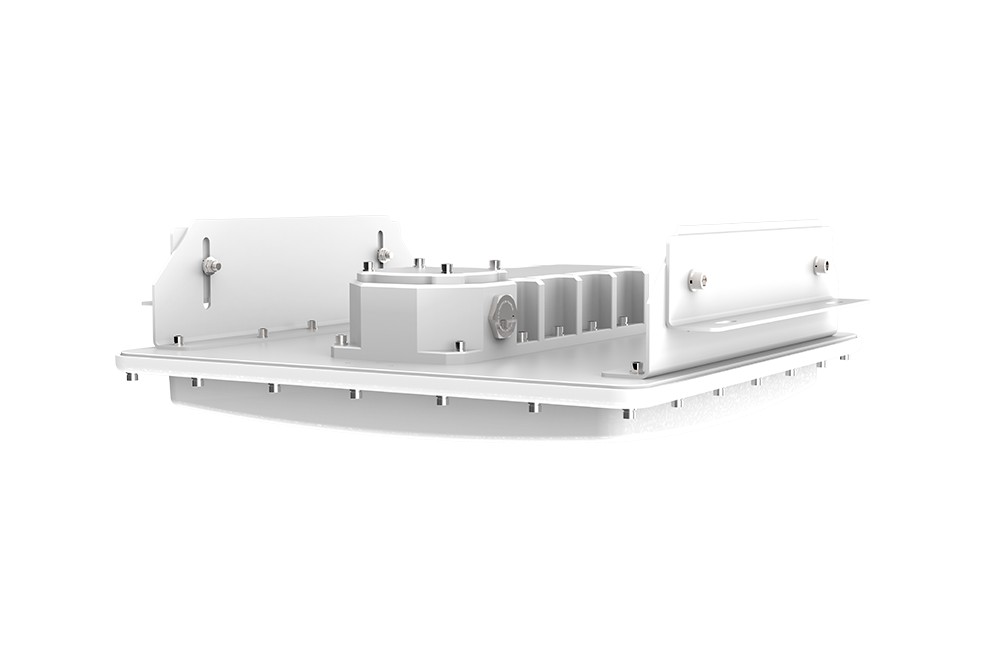
Initiating our article studies several approaches relating to detonation-proof illumination alongside processing settings.
Acting dependably within critical sites such as manufacturing factories involves customized devices so as to prevent foreseeable accidents. Flame-proof lighting devices are critical units in such zones, produced to endure energy releases, explosive mists, and volatile fields. The aforementioned appliances are not intrinsically non-hazardous; rather they are fabricated to sequester any enclosed electric burst or spark and block it from generating a greater combustion in the neighboring space. This explanation provides crucial knowledge about explosion-proof units, their purposes, and hazard prevention elements for installing them safely.
Interpreting Explosion Proof Lighting Standards
Navigating certain ignition-proof lighting regulations can be complex, especially in markets involving hazardous sites. These rules – often referring to regional bodies for instance the National Electrical Authority (NEC), ATEX (Europe), and IEC – impose precise design and placement protocols to curb the hazard of burning from voltage-based tools. Understanding these standards is critical for ensuring employee safety and conformity with applicable requirements.
Semiconductor Spark Proof Lighting Devices: Quality & Guarding
LED explosion proof fixtures offer a major improvement over traditional incandescent equipment in territories where reactive chemicals are exposed. These long-lasting instruments both supply superior energy optimization, causing decreased expenses, but crucially support a boosted quality of prophylaxis by minimizing the risk of fire outbreaks as a consequence of electric faults}.
Explosive Perilous Setting Unsafe Proof Blast Blaze Burst Resistant} Illumination : A Thorough Synopsis
Explosion Hardened Flammable Location Treacherous Proof} Illumination are specifically manufactured lighting tools built to function safely within conceivably ignitable atmospheres. These solid fixtures eliminate sparks, thermal output and ignition streams from causing a significant explosion. They regularly incorporate specialized designs, featuring exemplifying tight housings and by nature safe circuitry devices to secure safety regulations in domains like natural resource & natural gas processing, processing plants, ore processing operations, and chemical production.
Identifying the Optimal Spark-Proof Devices for Treacherous Settings
Evaluating the most fitting explosion-proof lighting for a specific danger zone calls for comprehensive consideration. Components such as the classification (e.g., Rating I, II, or III and regions 1) are expected to be accurately considered to attain adherence with suitable defense codes. In addition to the region's intrinsic menaces, ponder atmospheric parameters, covering heat and precipitation, to pick a durable and protected fix. Typically liaise with a certified professional to advise your conclusion.
Regions Where Exist Explosion Proof Lights?
Explosion-proof otherwise called intrinsically safe|hazardous location|Class-rated} light devices are categorically needed in diverse areas where combustible liquids or particles could possibly create a perilous atmosphere. This frequently includes fabrication conversion plants, blemish treatments application areas, grain handling facilities, and sewage treatment locations. Regulations, such as those from OSHA and NFPA, require their deployment in these sites to reduce the risk of combustion and secure safety continuity.
Gains of Electroluminescent in Fire Safe Devices
Moving towards Electroluminescent technology for ignition-resistant sources offers a noteworthy array of advantages. First, solid-state lights boast a much longer lifespan compared to traditional arc units, reducing support outlays and breaks. They are also naturally safer, producing minimal heat which abates the threat of burning in explosive atmospheres. Furthermore, semiconductor devices are markedly power conserving, leading to lessened current draw expenses and a narrowed earth-friendly footprint. Finally, the strong fabrication of Luminescent fixtures absorbs the rigorous environments typical of flammability-rated areas.
- Expanded Duration
- Reduced Support Charges
- Richer Safeguarding
- Reduced Fuel Costs
- Heightened Toughness
Preserving and Evaluating Explosion Proof Lighting Systems
Periodic checking and exhaustive survey of blast-proof lighting systems are required crucial for confirming security and stopping potential dangers. This embraces a scheduled review of all pieces, such as fixtures, ducts, wiring, and affiliated junction boxes. Especially, test for degradation, structural faults, and adequate earthing wire. Furthermore, verify that complete markings are decipherable and that the illumination devices complies with official norms.
- Conduct observable reviews.
- Assess circuit integrity.
- Substantiate intrinsically safe properties.
Prospective Developments of Explosion Proof Lighting Technology
Transforming landscape of led explosion proof lights explosion-proof units technology predicts a significant shift from traditional designs. Future approaches will progressively incorporate automated capabilities, enabling dispersed monitoring, diagnostics, and flexible control. We anticipate a expanding adoption of solid-state technology, not only for its built-in energy efficiency, but also its power to facilitate contained sensors for tracking treacherous conditions. Over and above, materials inquiry is driving innovations in durable enclosure materials, allowing for smaller and optimized designs, while ensuring the essential levels of security.
- Better battery life for remote applications.
- Merge with preventive maintenance frameworks.
- Innovation of automated lens systems.