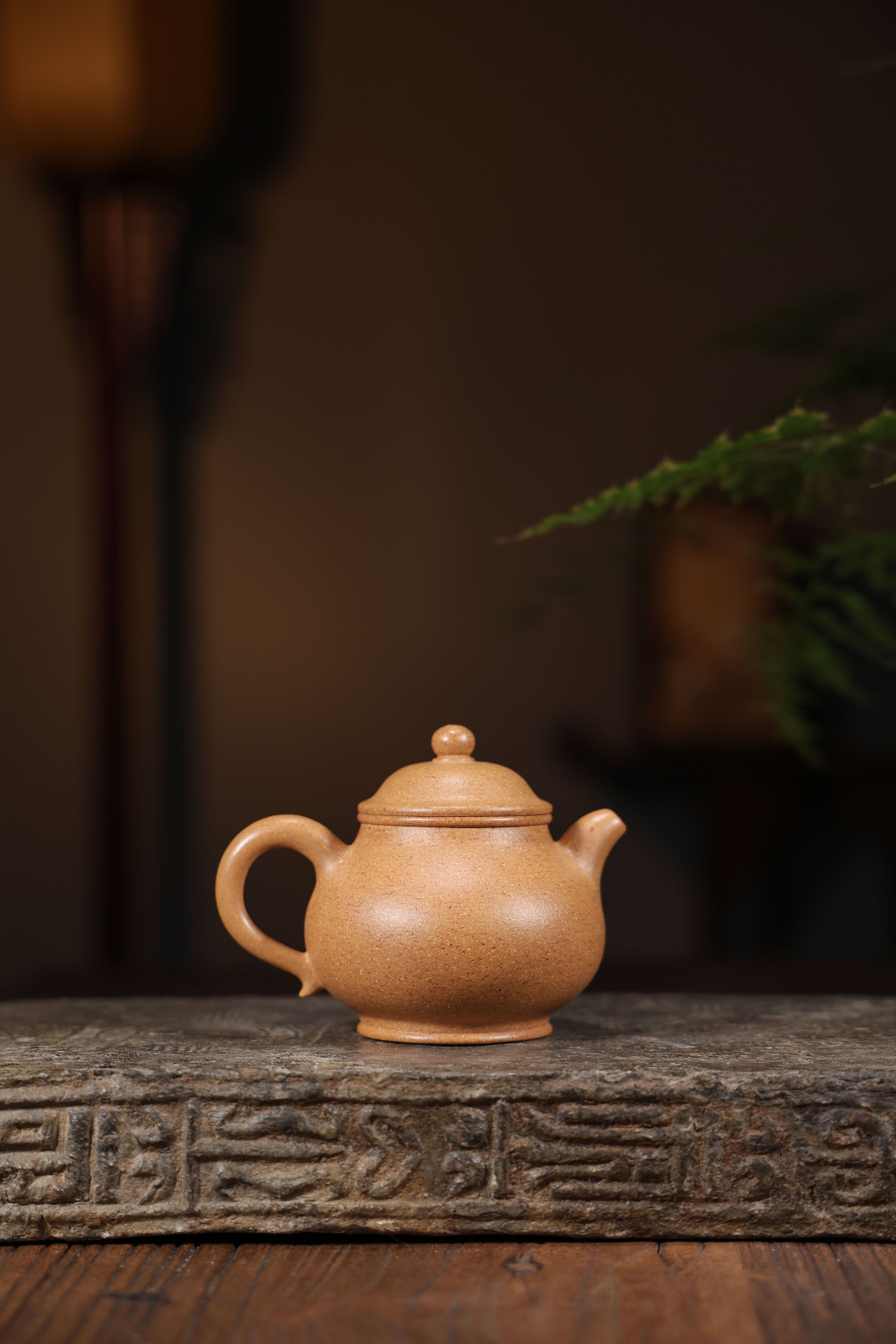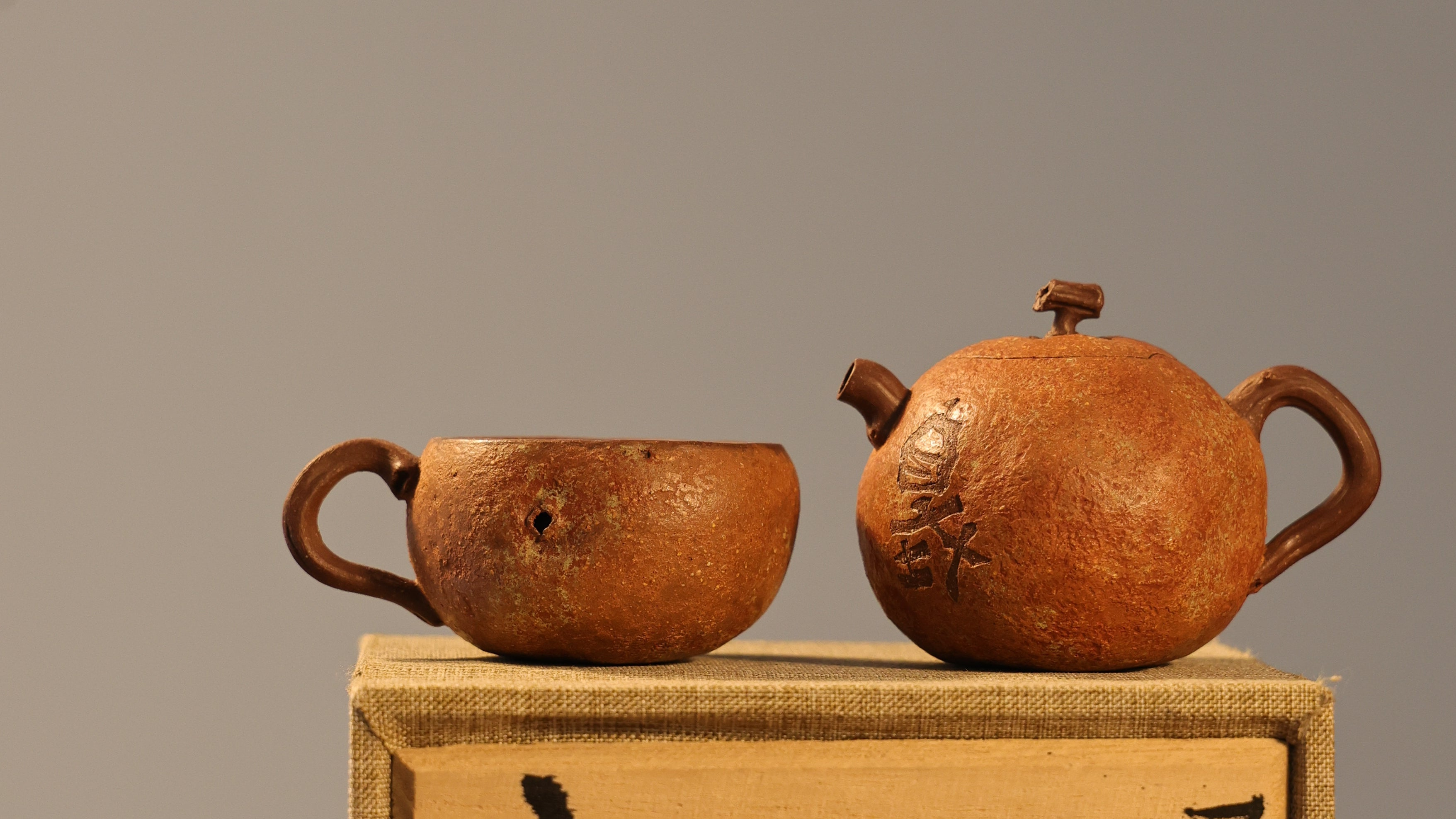
Sustained heritage marks Minjiang teapots through eras,
Showcasing exclusive aspects extracted out of provincial purple soils, these containers acquire a finish through utilization, refining bouquet released from extracted drinks.
Exploring Yixing Dirt: Comprehensive Insights into Zisha
Multiple devotees value the special grain of Yixing violet clay, a foundation of classic Chinese pottery. Appearing from the Yixing region of Jiangsu province, this valuable clay shows an refined mineral blend, whichever imparts exceptional qualities to the final pieces. Models within Zisha, including Jiang Mud, Duan Ni Mud, and Jiang Xi Mud, each presents different colors, materials, and drying traits, modifying the breathability and the decisive bouquet growth of the infusion.
Celestial Jar Practices: Investigating Artistry
Eurasian teapots embody greater than mere vessels for concoction; they signify centuries of traditional sophistication. From the exemplary Yixing clay variations, respected for their breathable nature which imparts individual characters to the beverage, to the graceful porcelain from Jingdezhen, each piece expresses a history of effort. The crafting process is an involved mission, often passed down through tribes of makers. These connoisseurs use historic methods such as hand-building, sculpting on wheels, and adorned, demonstrating profound reverence for the component and the practice itself. Imagine the effort invested in each piece as a symbol of Chinese tradition legacy.
- Eastern clay urns: a famous assortment.
- Elite ceramic teapots: celebrated for their fine design.
- Sculpting techniques: a difficult yet fulfilling procedure.
Fine Purple Vessel Upkeep: Preserving Your Precious Object
Suitable preservation of your notable Yixing Zisha pot is paramount to enhancing its durability. Crafted from singular purple sand dirt, these remarkable teapots accumulate a glossy patina after handling, notably boosting their allure. Avoid cleaning agents; a careful rinse with lukewarm fluid is efficient. Steer clear of hot water for scrubbing the teapot, as it may break down its makeup. Allow it to dry naturally away from bright natural light. Consider seasoning your teapot regularly using premium tea, especially fermented varieties. Here is a brief manual:
- Wash off with warm moisture.
- Stay away from solvents.
- Give it to dry naturally.
- Cure with excellent tea.
Roots of Yixing Teapots: Initial Phases
The saga of Yixing teapots arises modestly during the Tang dynasty, approximately the 16th era. Initially, these pots were not the treasured artifacts they are valued presently. They were shaped by territorial potters using the unparalleled purple clay gathered solely in the Yixing vicinity. These early artifacts were mostly utilitarian, targeted for usual utilization and often unadorned in configuration. It was not until the next dynasty that they initiated to earn status beyond mere useful pottery.
Choosing the Ideal Yixing Urn: A Introductory Reference
Approaching the territory of Yixing teapots can be complex, but resist resisting! For starters, the key factor is understanding the soil. Authentic Yixing clay is prized for its diffusibility, allowing the teapot to soak up the tea's essence over time, boosting every steeping session. Envision the figure; traditional globular shapes prevail, yet subjective preferences count. Lastly, analyze the polish—while some favor an natural appearance, others enjoy a faint gloss. Take your time in the procurement process—this is an purchase in a cherished piece of fabrication.
Chinese Purple Pots and Their Impact on Chinese Potion Practice
Zisha vessels, existing from Yixing, China, have profoundly affected ancient Chinese potion culture. Those Yixing clay teapots, prized for their distinctive cast, surface, and exceptional ability to impart a subtle flavor to the liquid, are more than mere utensils; they are respected works of art and symbols of greatness. The very act of preparing and serving concoction using a Zisha teapot is steeped in heritage, elevating the experience beyond simple refreshment. Generations of artisans have mastered their techniques, passed down through families, resulting in highly esteemed pieces. As a result, Zisha teapots are frequently held, playing a crucial part in cultivating national appreciation for aesthetics and the ritual of infusion ceremonies.
- Individual Clay Composition
- Transmitting Subtle Flavor
- Ornamental Craftsmanship
Distinguishing True Unique Local Vessels
Procuring a authentic Yixing teapot can be a enjoyable experience, but the market is often plagued with knockoffs. Differentiating between a real antique and a contemporary reproduction requires scrupulous inspection. Key signals include the clay's earthy shade, often displaying streaked surfaces, and the missing of modern curing imprints. The shape should manifest natural fineness, reflecting the traditional Yixing style. Finally, copyrightining the manufacturer's mark is necessary to verify realness against published records.
- Assess the clay's makeup.
- Look for flaws, indicative of handcrafted quality.
- Ask an authority for evaluation.
Investing in Chinese Containers: A Informative Guide to Purple Clay Interpretation
The environment of Traditional Zisha pottery provides a exceptional option for shrewd Chinese Teapot collectors. More and more, the price of these custom artifacts is determined by numerous variables, such as the category of Zisha, the expertise of the artisan, the cultural meaning, and, naturally, the existing interest. Starters should dedicate effort on exploring the multiple classes of Zisha clay—such as Frosted Water, Silent Urn, and Vermilion Dirt—and investigating the traits linked to each. Rigorous scrutiny of the object's profile, pigment, and imprint is equally important to make astute selections when investing.