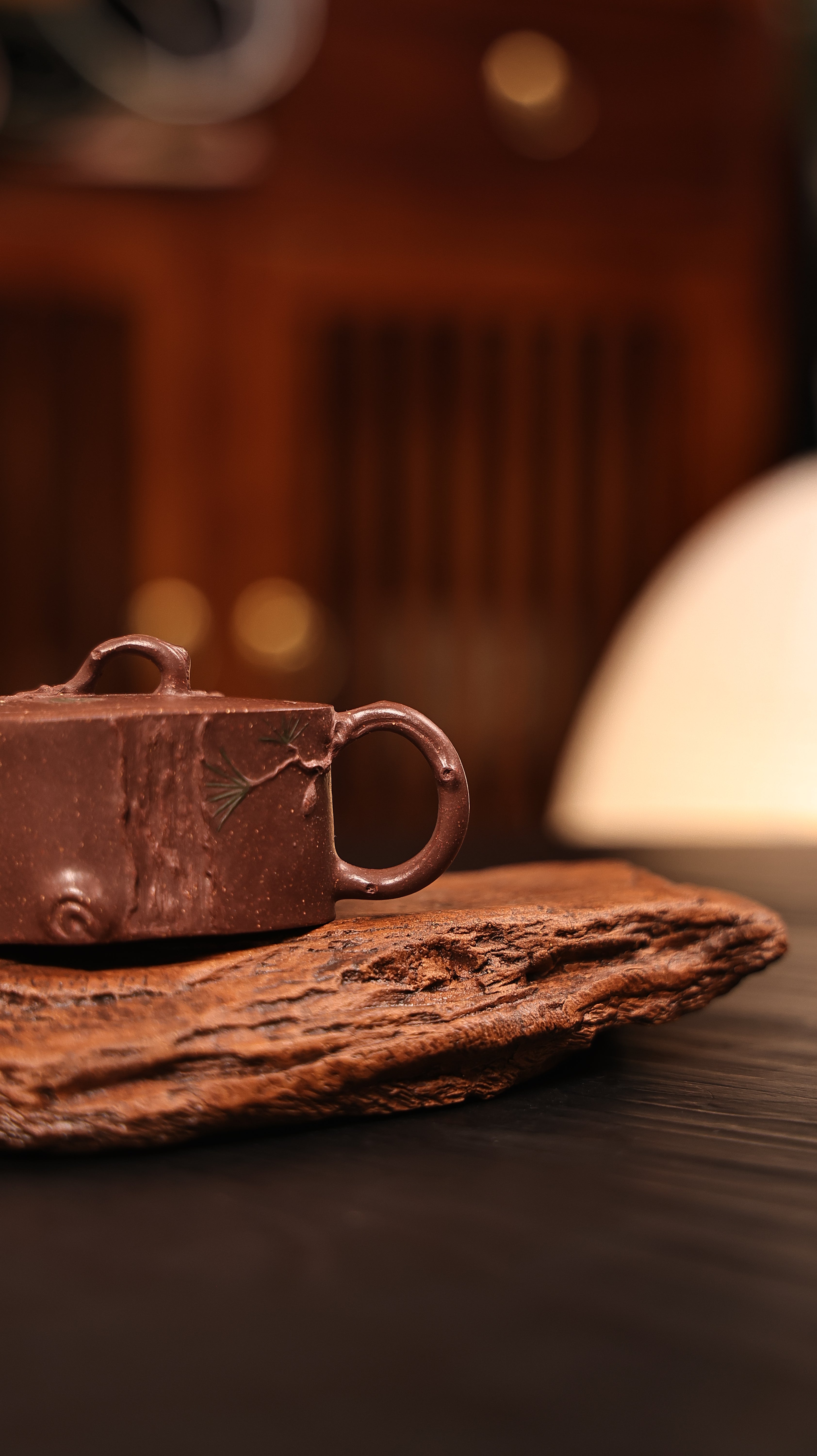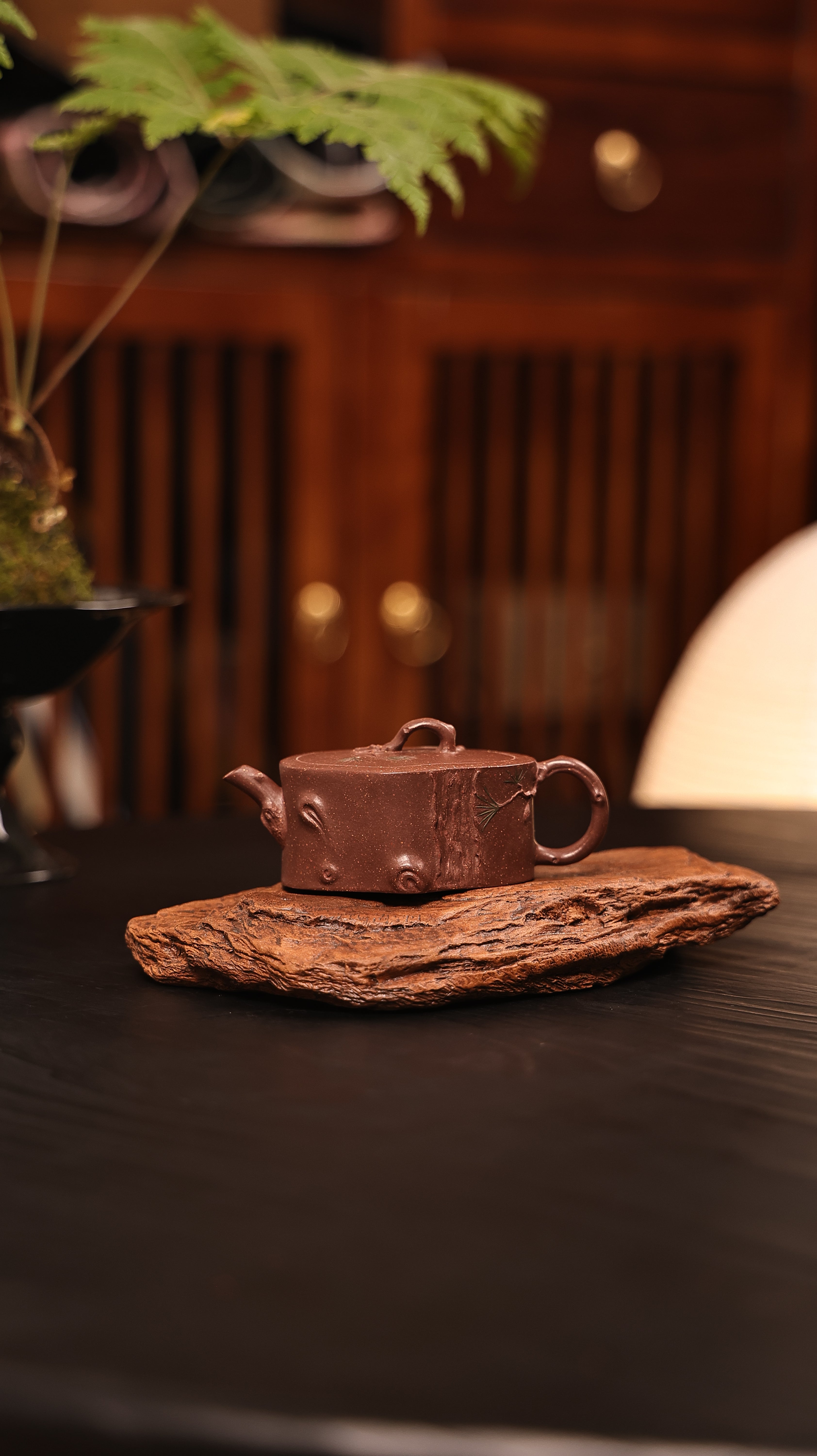
Ages of fans have long cherished the distinctive enchantment of Yixing Zisha teapots. Existing in the picturesque town of Yixing, the nation, these vessels are crafted from a exotic and harvested purple clay esteemed for its superior thermal features and tendency to improve the flavor of extracts. Outside of their effective merit, Zisha teapots symbolize a time-honored customary inheritance, making them highly admired and a legitimate find for any dedicated teapot devotee.
Discovering Yixing Vessels
These teapots highlight a extraordinary combination of history and artisan craftsmanship. Existing in Yixing, Jiangsu District of China, their narrative dates back the Ming Dynasty, although clues suggest earlier versions. The unique plum clay, called Zisha, found uniquely in the Yixing region, is the vital component, contributing to the pots' remarkable heat stability and the manner they control the essence of tea. Generations of potters have improved techniques—often inherited through families—including designing the clay, applying ornate embellishments, and firing the pots at deliberate temperatures.- Initially, Yixing teapots were often ornamented with simple designs.
- Thereafter, more sophisticated carvings and iconographic motifs became widespread.
- The kiln firing itself is a vital element, requiring decades of competence.
Assembling Zisha Teapots: Key Guidelines
Setting out on a pursuit to assemble Zisha earthenware can be fruitful, but it’s essential to comprehend what to analyze. Authenticity is key; focus on the soil’s natural tone, a muted reddish-brown is regular. Examine the surface; genuine Zisha has a particular tactile sensation, often described as slightly textured. The outline should be pleasing and consistent with time-honored styles, while inscriptions, if present, require careful examination for validity. Don’t resist to consult with qualified collectors or trusted resources – their understanding is invaluable.
A Containers: Surveying the Lineage of the Yixing Purple Earth
Generations have seen Yixing Violet Clay teapots preserve a special role in Chinese tradition. These carefully constructed pots, sourced exclusively from the locale of Yixing, are famous for their unique hue, surface, and their ability to develop the bouquet of decoctions. Scores of collectors acquire antique Yixing teapots, coveting them highly not only for their aesthetic charm, but also for the past they symbolize.
Yixing Zisha Teapots: Unique Foremost Forms and Their Properties
Zisha Ware teapots, rooted in the renowned district of Yixing, the realm, are distinguished for their exceptional clay and excellent brewing characteristics. Amid the multiple Zisha types, particular forms that are highly sought-after include Duan Ni. Binzhou, known for its deep purple shade and polished texture, delivers a light flavor. Duan Ni species, recognizable by its auburn color and a little grainy feel, is said to enhance tea’s heft. Lastly, Zhuni sort boasts an extraordinary scarlet tone and can impart a nice nuance. Each sort delivers a different experience, facilitating them distinctly desirable within beverage enthusiasts.
Mastering Unique Earthenware Vessel
To tap into the capability of your Yixing pot, understanding the correct means is critical. These clay containers, celebrated for their openness, will continually develop the nature of the tea you infuse within them. Begin by cleaning the urn thoroughly with heated water. Then, use only premium unpacked leaf tea, as lower quality options can affect the pot’s delicate notes. Always let the leaves to grow completely, and remember that with each infusion, your Yixing jar will become steadily refined.
Sustaining Your Precious Zisha Collectible
Proper maintenance for your Zisha urn is vital to sustaining its longevity and price. Zisha clay, recognized for its unique tinge and feel, Chinese Teapot requires precise handling. Never use harsh solutions, as these can damage the layer. After every use, rinse the pot with room temperature water and allow it to dehydrate completely.
- Sidestep soaking the kettle for extended stretches.
- Occasionally use a soft piece of cloth to refresh the exterior.
- Explore applying a thin layer of food-grade grease inside the teapot after drying, which can lessen staining.
A Beginner's Guide to Yixing Containers
Yixing kettles, originating from the Yixing area in Jiangsu Province, part of China, are celebrated for their distinctive peculiarities. Made from the unique purple material known as Zisha, these pitchers are prized by tea enthusiasts worldwide. This overview will succinctly explain the pillars – covering types of Zisha soil, frequent shapes, and critical care helpful hints. Understanding the background of Yixing containers can strengthen your appreciation for this acclaimed example of Mandarin heritage.
Skill of Mandarin Pitchers: Showcasing Zisha deriving from Yixing City
Zisha ware from the Yixing district represents the apex of Oriental pitcher design, demonstrating a unique blend of earthy beauty and useful artistry. These exceptional pieces are celebrated for their intense shades, often varying from robust purples and chestnut hues to light greys and gentle beiges. The unique mineral composition of the indigenous Zisha terrain imparts a identifying texture and offers a enjoyable aroma that increases the entire beverage experience, transforming them extremely prized collectibles and vital components of any serious brew.