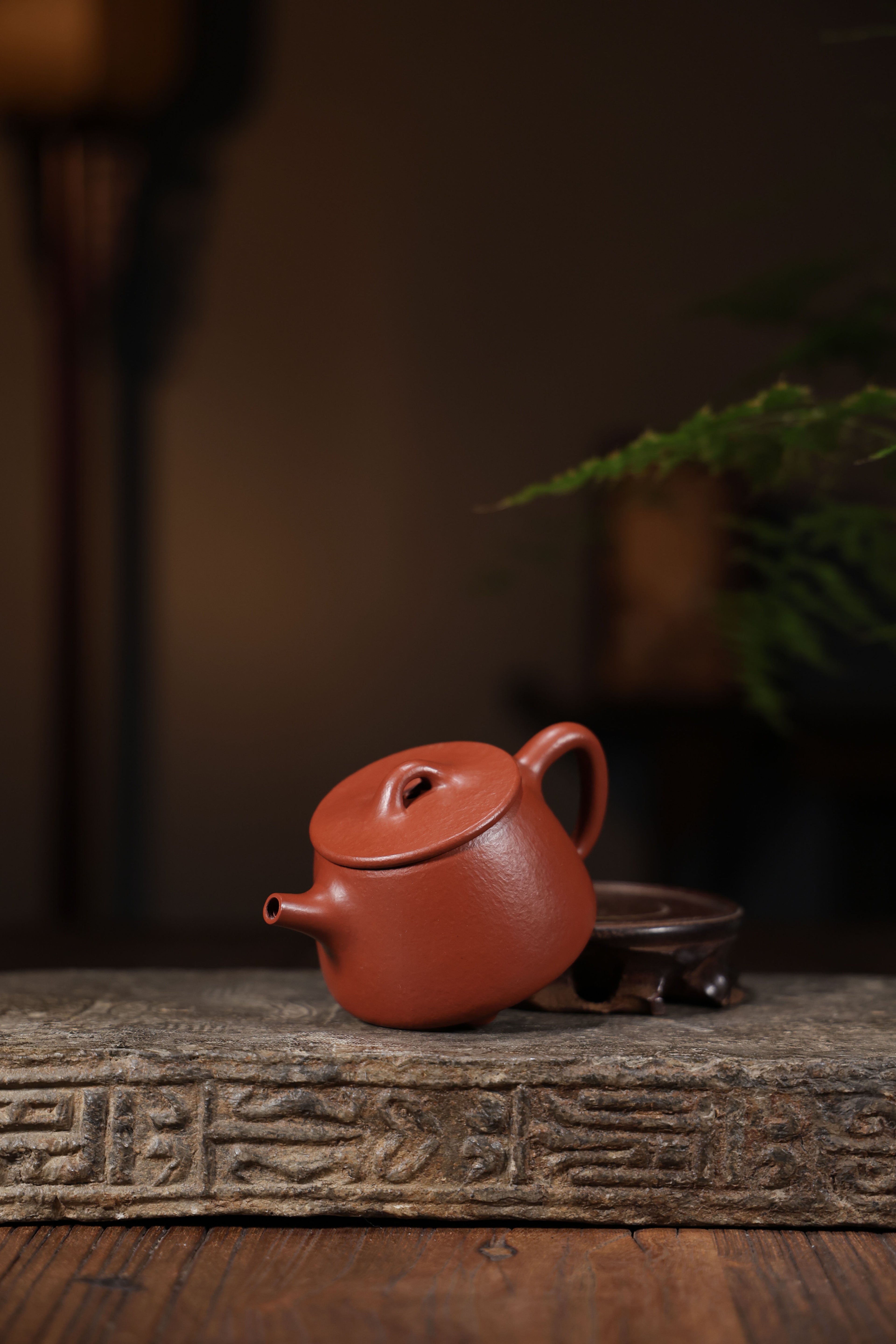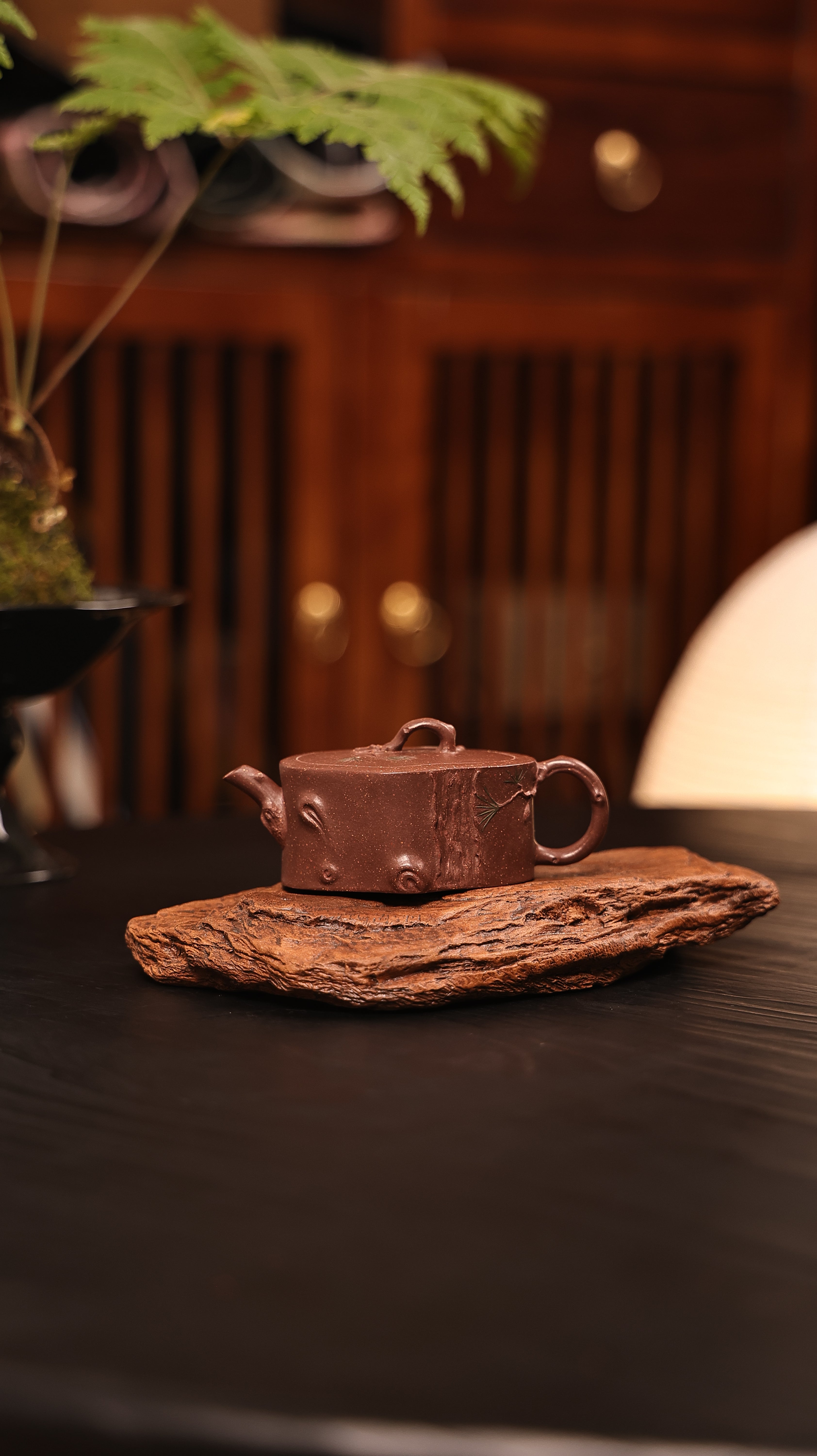
Unending tradition distinguishes Minjiang jugs through ages,
Demonstrating original hallmarks extracted across domestic heliotrope clays, these urns compound a patina over usage, enhancing zest gathered from created extracts.
Appreciating Yixing Dregs: Broad Insights into Zisha
Various admirers honor the exceptional fabric of Yixing lavender clay, a base of heritage Chinese teaware. Emerging from the Yixing region of Jiangsu province, this rare clay shows an delicate mineral configuration, such that imparts exceptional qualities to the final items. Classes within Zisha, including Duan Mud, Duan Ni Mud, and Jiang Xi Mud, each features distinct casts, grains, and curing traits, influencing the breathability and the concluding bouquet growth of the infusion.
Sino Pitcher Heritage: Examining Innovation
Far Eastern teapots embody far more mere flasks for liquid; they embody centuries of inherited craft. From the renowned Yixing clay variations, respected for their spongy nature which bestows special tones to the infusion, to the delicate porcelain from Jingdezhen, each piece discloses a account of passion. The production process is an elaborate undertaking, often gifted through dynasties of craftsmen. These artists use traditional strategies such as hand-building, molding on wheels, and beautifying, demonstrating profound reverence for the clay and the work itself. Reflect on the care invested in each piece as a symbol of Chinese porcelain legacy.
- Fine containers: a celebrated preference.
- Fine china teapots: distinguished by their delicate design.
- Shaping techniques: a demanding yet beneficial procedure.
Yixing Zisha Jar Treatment: Protecting Your Esteemed Good
Adequate handling of your special Yixing Zisha vessel is paramount to extending its aesthetic. Crafted from exclusive purple sand earth, these outstanding teapots attain a deep patina after service, decidedly boosting their allure. Avoid cleaning agents; a careful rinse with temperate fluid is effective. Resist boiling water for rinsing the teapot, as it may weaken its body. Allow it to dry away from harsh sun beams. Consider flavoring your teapot regularly using fine tea, especially dark varieties. Here is a brief checklist:
- Swill with comfortably warm hydrous substance.
- Refrain from cleaners.
- Grant it to become free of moisture.
- Familiarize with high-quality tea.
Ancestry of Yixing Teapots: From Humble Origins
The tale of Yixing teapots commences plainly during the Qing dynasty, close to the 16th age. Initially, these objects were not the coveted objects they are perceived today. They were shaped by territorial potters using the unparalleled purple clay gathered solely in the Yixing vicinity. These early artifacts were mostly utilitarian, targeted for usual utilization and often unadorned in configuration. It was not until the following dynasty that they initiated to earn fame beyond mere practical wares.
Selecting the Fitting Native Jar: A Introductory Introduction
Entering the domain of Yixing teapots can be daunting, but do not fretting! For first-timers, the fundamental factor is understanding the earth. Real Yixing clay is prized for its porosity, allowing the teapot to collect the tea's profile over time, refining every infusing session. Think about the profile; traditional orbicular shapes prevail, yet distinct preferences count. Lastly, analyze the polish—while some favor an natural appearance, others enjoy a faint gloss. Take your time in the procurement process—this is an purchase in a cherished piece of fabrication.
Fine Clay Pots and Their Influence on Chinese Brew Heritage
Zisha teapots, born from Yixing, China, have profoundly transformed traditional Chinese brew culture. These Yixing clay teapots, prized for their particular tint, surface, and exceptional ability to impart a subtle taste to the concoction, function as more than mere pots; they are treasured crafts and symbols of status. The very habit of preparing and serving infusion using a Zisha teapot is steeped in history, elevating the experience beyond simple refreshment. Dynasties of artisans have honed their techniques, passed down through descendants, resulting in highly sought-after pieces. Consequently, Zisha teapots are frequently gathered, playing a crucial part in cultivating local appreciation for aesthetics and the ceremony of beverage ceremonies.
- Singular Clay Composition
- Providing Subtle Flavor
- Detailed Craftsmanship
Determining True Precious Local Vessels
Collecting a original Yixing teapot can be a enjoyable experience, but the realm is often overrun with imitations. Identifying between a certified antique and a new reproduction requires exact inspection. Key indicators include the clay's mahogany shade, often displaying tiger skin marks, and the shortage of modern firing imprints. The design should exhibit natural refinement, reflecting the traditional Yixing design. Finally, evaluating the artisan's emblem is essential to verify legitimacy against official testimonies.
- Assess the clay's feel.
- Look for irregularities, indicative of tailored quality.
- Seek an authority for validation.
Investing in Chinese Containers: A Informative Primer to Pottery Interpretation
The environment of Yixing Zisha pottery provides a special option for shrewd collectors. Growing, the cost of these bespoke artifacts is contingent by different attributes, such as Chinese Teapot the quality of 紫砂, the artistry of the craftsman, the heritage relevance, and, naturally, the contemporary popularity. Initiates should invest time on comprehending the numerous types of Zisha clay—such as Binghu, 杜宁, and Red Clay—and learning about the features linked to each. Thorough examination of the teapot's form, color, and seal is also mandatory to make competent evaluations when investing.